
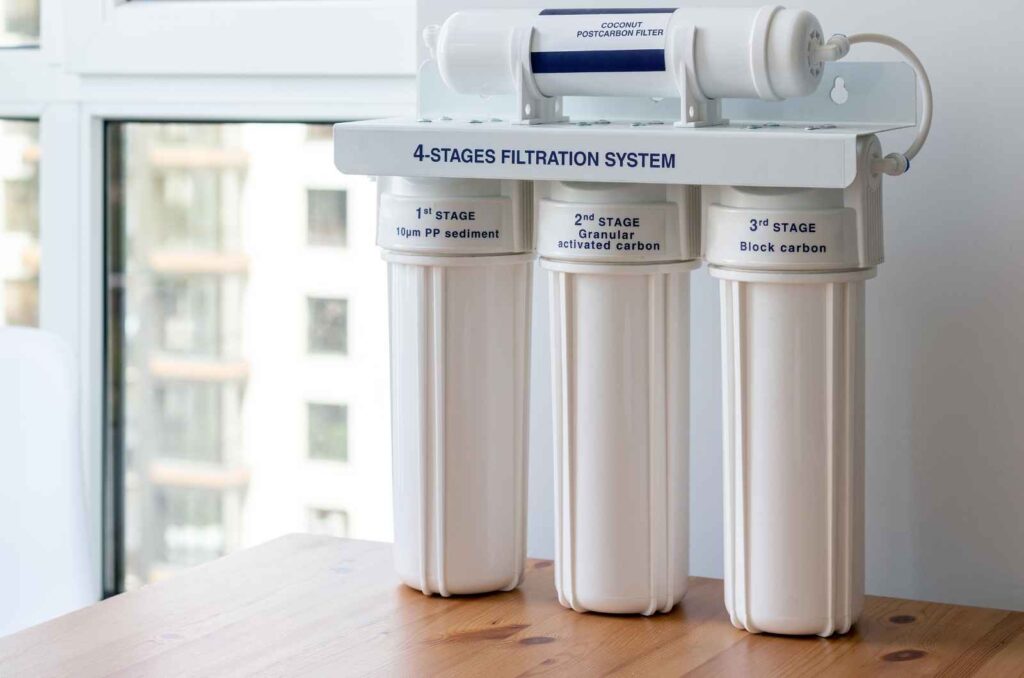
Industrial ultrafiltration systems represent a transformative approach to water purification that combines membrane technology with pressure-driven filtration processes. These systems utilize semi-permeable membranes with pore sizes ranging from 0.01 to 0.1 microns, enabling them to remove suspended solids, bacteria, viruses, and macromolecules while maintaining dissolved minerals. The technology has become increasingly vital across manufacturing sectors, with the global ultrafiltration membranes market reaching 5.2 billion dollars in 2024 and projected to expand to 8.2 billion dollars by 2029, reflecting a compound annual growth rate of 9.4 percent.
What Makes Ultrafiltration Different From Traditional Filtration Methods?
Ultrafiltration operates through a fundamentally different mechanism compared to conventional filtration approaches. Traditional methods often rely on chemical additives, coagulation processes, or energy-intensive distillation to achieve water purification. Ultrafiltration systems, by contrast, use hydrostatic pressure to force water through hollow fiber or tubular membranes that physically exclude contaminants based on molecular size. This process, known as pore size exclusion, creates an absolute barrier against particles larger than the membrane pores while allowing water and beneficial minerals to pass through.
The efficiency advantages are substantial. Modern ultrafiltration installations can reduce oily water volumes by as much as 98 percent without chemical additives, making them environmentally preferable to conventional treatment trains that require coagulation, flocculation, sedimentation, and chlorination steps. The technology also operates at significantly lower pressures than reverse osmosis systems, typically between 10 to 120 pounds per square inch, resulting in reduced energy consumption and operational costs.
How Do Different Industries Apply Ultrafiltration Technology?
Manufacturing sectors have adopted ultrafiltration systems for diverse applications that span from process water production to wastewater recovery. In pharmaceutical manufacturing, ultrafiltration provides the high-purity water required for injectable drug production, effectively replacing steam-intensive distillation methods while reducing both carbon emissions and production expenses. The food and beverage industry utilizes these systems for dairy product concentration, juice clarification, and brewing applications where maintaining product integrity while removing microorganisms is essential.
Power generation facilities increasingly deploy ultrafiltration as pretreatment ahead of reverse osmosis systems for boiler makeup water and cooling tower feedwater applications. The technology offers a compact footprint compared to conventional treatment methods, and by producing high-quality filtrate, ultrafiltration reduces fouling of downstream reverse osmosis membranes, extending their operational lifespan and improving overall system economics. Oil and gas refineries employ ultrafiltration for treating process water, separating emulsified oils from wastewater streams, and recovering valuable products from production processes.
Municipal water treatment represents another significant application area where ultrafiltration membrane systems reliably remove turbidity, suspended solids, bacteria, and viruses from surface water sources. These installations meet stringent drinking water quality standards while eliminating the need for multiple treatment stages, simplifying operations and reducing chemical usage throughout the treatment process.
What Are the Cost Benefits of Implementing Ultrafiltration Systems?
Financial advantages drive much of the industrial adoption of ultrafiltration technology. Systems can reduce wash water and detergent costs by up to 75 percent when factoring in savings from replacement chemicals, heating requirements, and disposal expenses. The waste minimization capabilities help facilities meet zero-discharge goals and comply with federal Resource Conservation and Recovery Act requirements, avoiding penalties associated with improper wastewater discharge.
The long-term operational savings extend beyond direct treatment costs. Ceramic ultrafiltration membranes, constructed from materials such as alumina, zirconia, or titanium oxide, demonstrate exceptional durability with lifespans exceeding 10 years even in demanding applications. These membranes withstand harsh operating conditions, including high temperatures and aggressive chemical environments, with minimal maintenance requirements. The reduced downtime translates into consistent production capabilities and lower total cost of ownership compared to systems requiring frequent component replacement.
Energy efficiency represents another economic advantage. Ultrafiltration systems consume considerably less power than thermal separation methods or multi-stage conventional treatment processes. The technology also enables water reuse strategies that reduce freshwater intake costs and wastewater discharge fees, creating circular water management approaches that improve both environmental performance and bottom-line results.
?Which Membrane Configurations Offer the Best Performance
Industrial ultrafiltration systems utilize three primary membrane configurations, each optimized for specific application requirements. Hollow fiber modules consist of thousands of small, flexible fibers bundled within a casing, creating extensive surface area for efficient filtration. These modules dominate water treatment applications due to their compact design, high flux rates, and ease of maintenance. The hollow fiber configuration is experiencing rapid growth, with market projections indicating a 15.2 percent compound annual growth rate through 2030.
Tubular modules employ cylindrical tubes with membrane elements inside, designed for high-flow applications involving viscous liquids or substantial particulate matter. This configuration handles high solids loading more effectively than other designs and demonstrates reduced fouling susceptibility, making it suitable for industrial process streams with challenging contaminant profiles. Tubular systems accounted for 50.7 percent of the market share in 2024, reflecting their widespread deployment in demanding industrial environments.
Flat sheet or spiral-wound configurations provide versatility for mid-range applications, offering balanced performance characteristics between hollow fiber and tubular designs. The selection among these configurations depends on factors including feed water quality, target contaminant removal, available space, and operational preferences regarding cleaning and maintenance protocols.
?What Advancements Are Shaping Ultrafiltration Technology
Recent innovations focus on membrane materials that enhance filtration performance while addressing persistent challenges such as fouling resistance and scalability. Tight ultrafiltration membranes represent a significant advancement, bridging the performance gap between conventional ultrafiltration and nanofiltration by offering enhanced permeability and selectivity. These next-generation membranes prove particularly effective for textile wastewater management, oily wastewater treatment, and pulp and paper industry applications.
Composite membrane development has accelerated, with researchers creating advanced materials that combine the chemical stability of base polymers with functional additives. Recent innovations include polyvinylidene fluoride membranes enhanced with polypyrrole, which demonstrate improved hydrophilicity and antifouling properties. Such composite membranes achieve contact angles as low as 55.6 degrees compared to 68 degrees for pure polyvinylidene fluoride, indicating superior water affinity that translates into higher flux rates and reduced maintenance requirements.
Ceramic membrane technology continues evolving, with manufacturers developing materials that provide exceptional chemical resistance, thermal stability, and mechanical strength. While representing a smaller market segment, ceramic membranes are projected to grow at 5.6 percent annually through 2030, driven by applications requiring operation under extreme conditions that would degrade polymeric membranes.
How Do Ultrafiltration Systems Support Environmental Compliance?
Regulatory pressures increasingly drive ultrafiltration adoption as environmental agencies worldwide impose stricter discharge standards. The technology enables facilities to meet these requirements without generating hazardous waste streams or relying on chemical treatment methods that create secondary environmental concerns. Ultrafiltration systems effectively remove heavy metals including manganese, lead, copper, nickel, chromium, and iron, achieving rejection rates up to 99 percent under appropriate pH control conditions.
The zero-discharge capabilities of ultrafiltration systems align with corporate sustainability initiatives and support Sustainable Development Goals related to clean water access and responsible consumption patterns. By enabling water recycling and reuse, these systems reduce freshwater withdrawal from stressed water sources while minimizing the volume of contaminated effluent requiring treatment or disposal. Manufacturing facilities implementing ultrafiltration technology report substantial reductions in their environmental footprint alongside improved regulatory compliance records.
?What Role Does Professional System Design Play in Success
The effectiveness of industrial ultrafiltration installations depends significantly on proper system engineering and customization to specific application requirements. Leading manufacturers like AQUAPHOR Professional combine expertise in membrane technology with mass production capabilities to deliver tailored solutions. With over 130 patents, six production facilities, and more than 3,000 employees, such organizations provide comprehensive support from initial feasibility testing through full-scale system commissioning.
Professional system design encompasses critical factors including membrane material selection, module configuration, operating pressure optimization, and integration with complementary treatment technologies. Pilot testing programs enable engineers to evaluate performance under actual operating conditions, gathering data that informs full-scale system specifications. This approach minimizes implementation risks and ensures systems meet performance targets for flow rate, contaminant removal, and operational efficiency.
Advanced control systems represent another crucial design element. Modern ultrafiltration installations incorporate automated sequencing, remote monitoring capabilities, and data analytics that optimize performance while minimizing operator intervention. Intelligent controls manage backwashing cycles, chemical cleaning protocols, and alarm functions that protect membrane integrity and maintain consistent output quality.
The Strategic Value of Industrial Ultrafiltration
Industrial ultrafiltration systems deliver measurable value through multiple pathways including reduced operational costs, enhanced regulatory compliance, improved product quality, and decreased environmental impact. The technology addresses critical water management challenges facing modern manufacturing while providing economic returns that justify capital investment. As membrane materials continue advancing and system designs become more sophisticated, ultrafiltration will expand its role in industrial water treatment applications, supporting both business objectives and sustainability goals across diverse sectors.